




1. BAPS Swaminarayan Akshardham, Robbinsville, New Jersey


Why it stands out
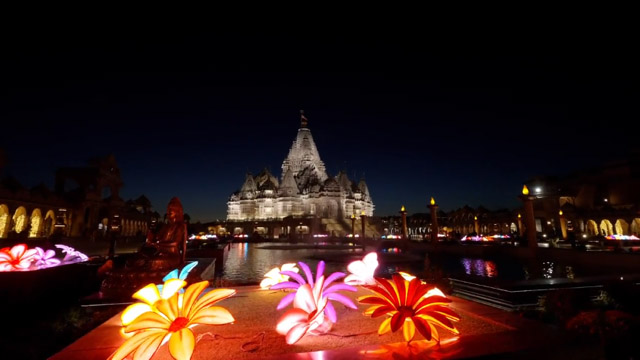
- This temple is the largest Hindu temple in the United States.
- The architecture is inspired by traditional Indian styles – the marble mandir was hand-carved, shipped from India, and assembled in New Jersey, bringing a slice of classic Hindu craftsmanship to American soil.
- Beyond being a place of worship, the complex serves as a major cultural landmark, attracting devotees, visitors, and those curious about Indian heritage and sacred architecture.
2. Malibu Hindu Temple, Calabasas (near Malibu), California


Why it stands out
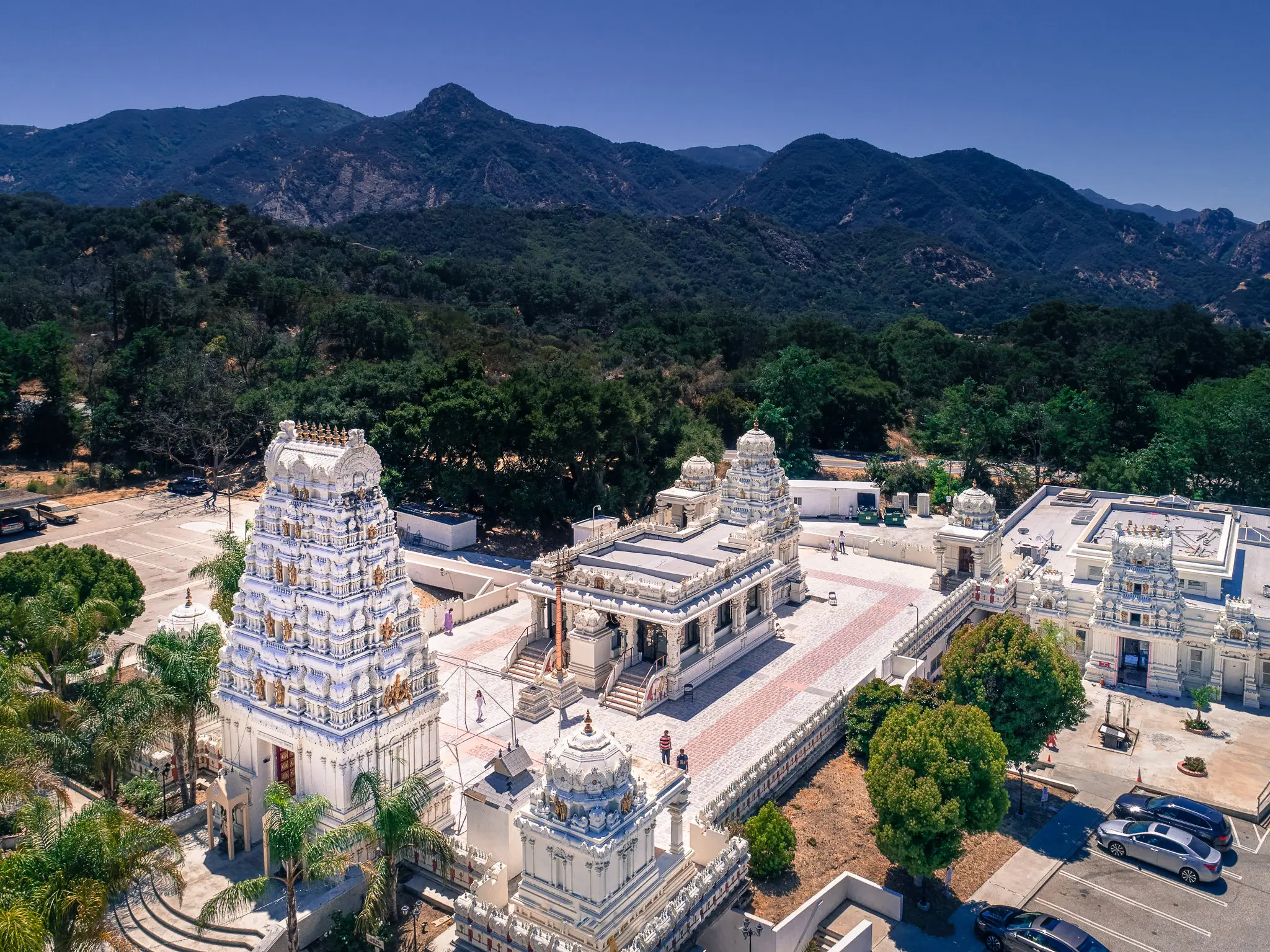
- The temple was established in 1981 and is dedicated to Lord Venkateswara and Lord Shiva in separate sanctums.
- Its architecture follows the Dravidian style, giving visitors a taste of South-Indian temple design amid Southern California’s landscapes.
- It serves as an important spiritual and cultural center for Hindu communities in Southern California – a peaceful retreat for worship, reflection, and community gatherings.
3. Hindu Temple of Greater Chicago (HTGC), Lemont, Illinois


Why it stands out
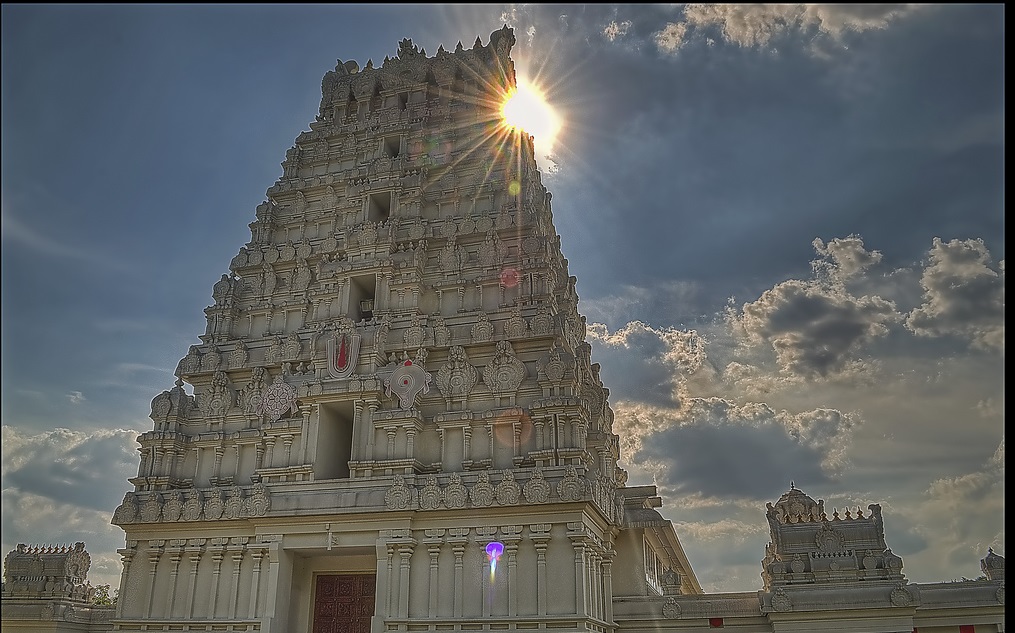
- HTGC serves as a central focal point for the Hindu community in the Chicago area, combining worship, cultural heritage, and communal harmony.
- The temple complex features two main shrines: one catering to followers of Shiva (in the Kalinga/North-Indian style) and another in a Chola/South-Indian style for followers of Vishnu.
- It stands as a testament to how diasporic communities build sacred spaces that preserve religious traditions while adapting to new environments.
4. BAPS Shri Swaminarayan Mandir (Houston), Stafford, Texas


Why it stands out
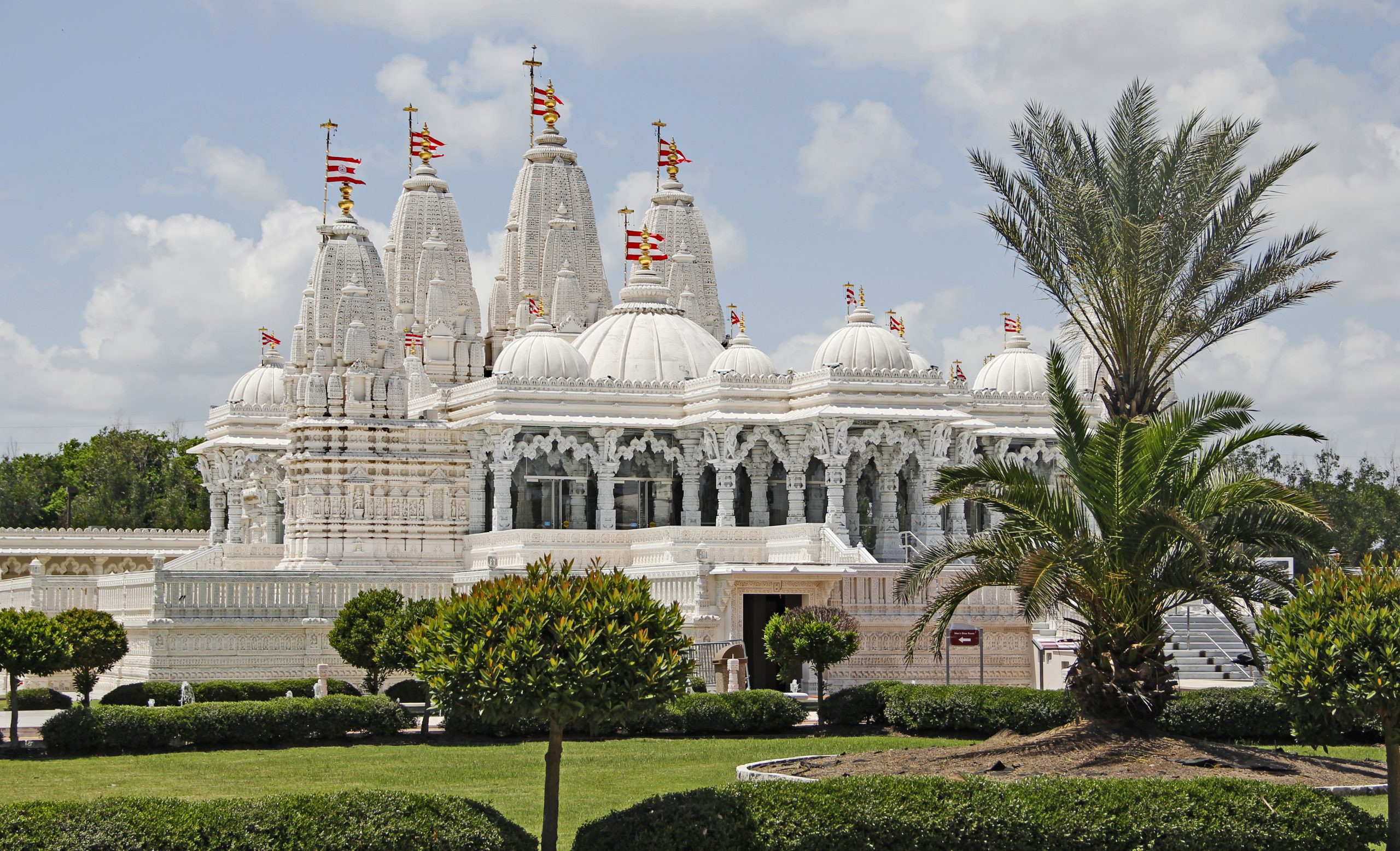
- Built according to ancient Hindu architectural guidelines (Shilpa Shastras), the temple combines marble and limestone hand-carved in India, assembled in Texas – a striking monument of faith and craftsmanship.
- It is considered one of the grandest Hindu mandirs in Texas and draws visitors seeking both spiritual solace and architectural beauty.
- The temple grounds host cultural events, community gatherings, and serve as a hub for preserving Hindu traditions among the diaspora in the American South.
5. Hindu Temple of Minnesota, Maple Grove, Minnesota

Why it stands out
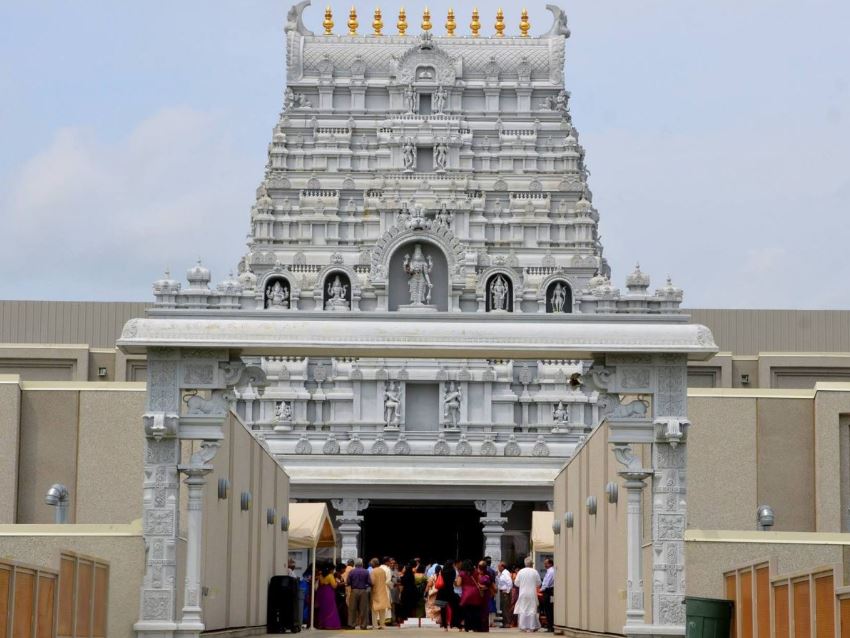
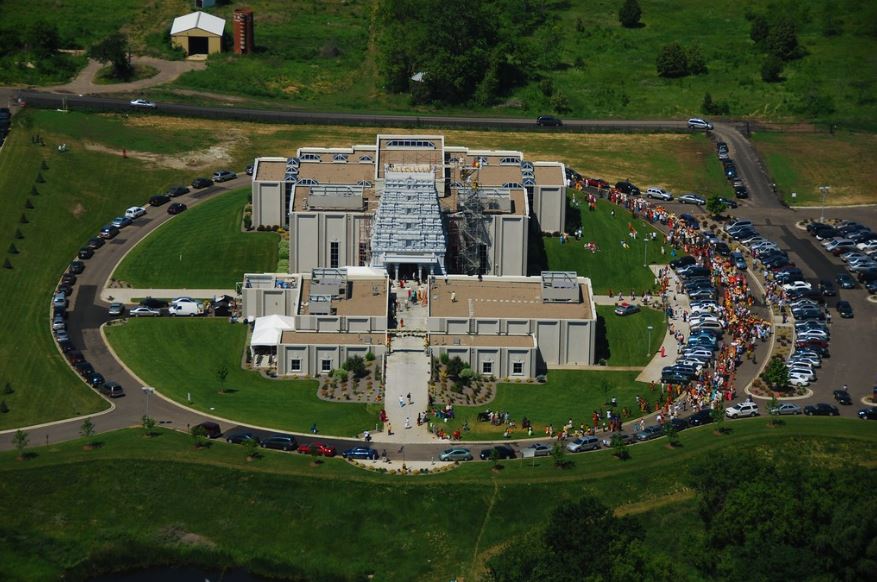
- The temple serves as a spiritual home for Hindus in the Twin Cities area, offering regular worship services and cultural events to communities often far from their native homelands.
- Its architecture blends traditional Hindu temple features with the practicalities of a North American setting, making it accessible to both devotees and visitors interested in Hindu culture.
- It represents how Hindu identity and community continue to flourish even in regions of the US with colder climates and more spread-out populations.
6. Radha Madhav Dham, Austin, Texas

Why it stands out
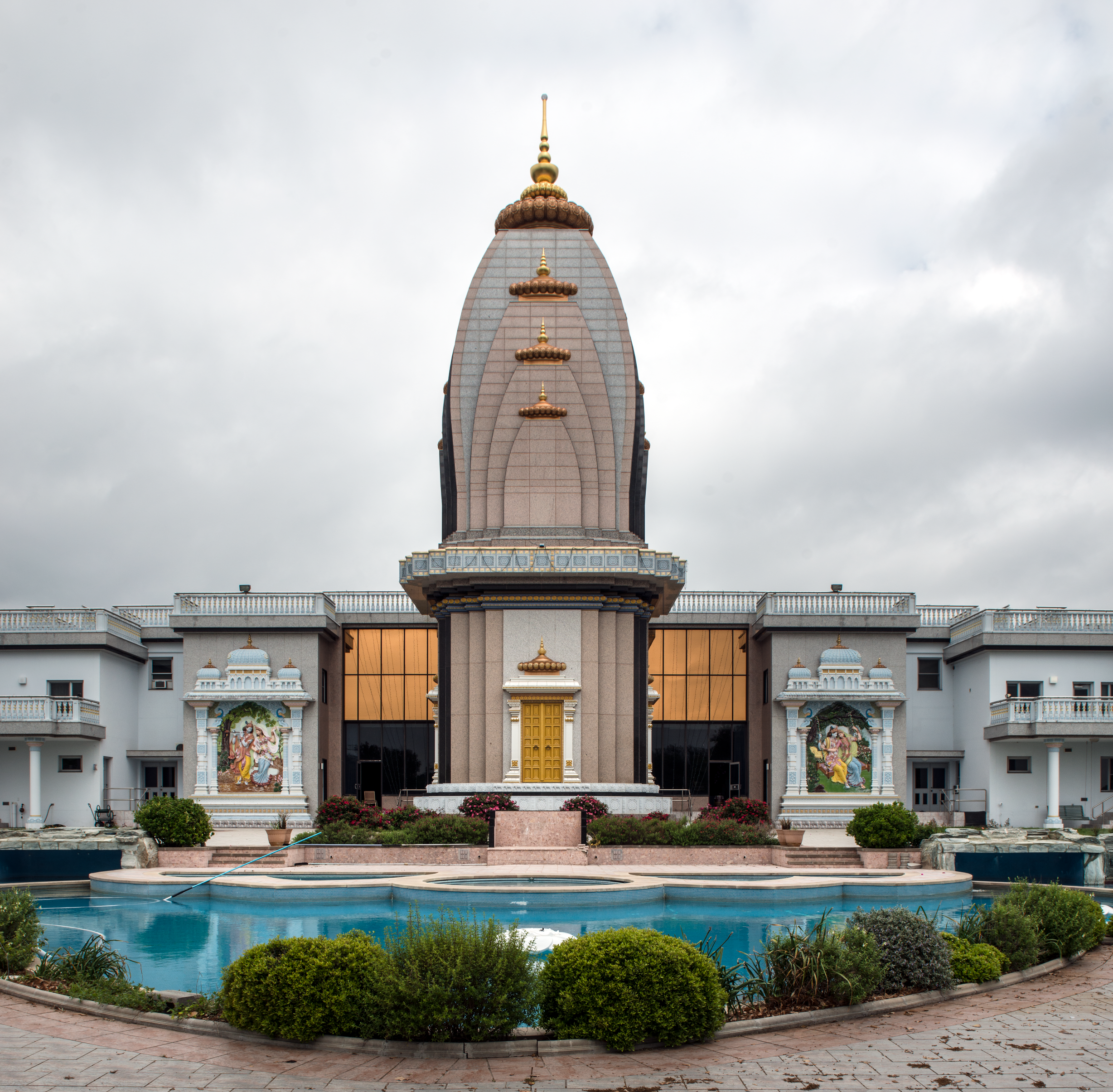
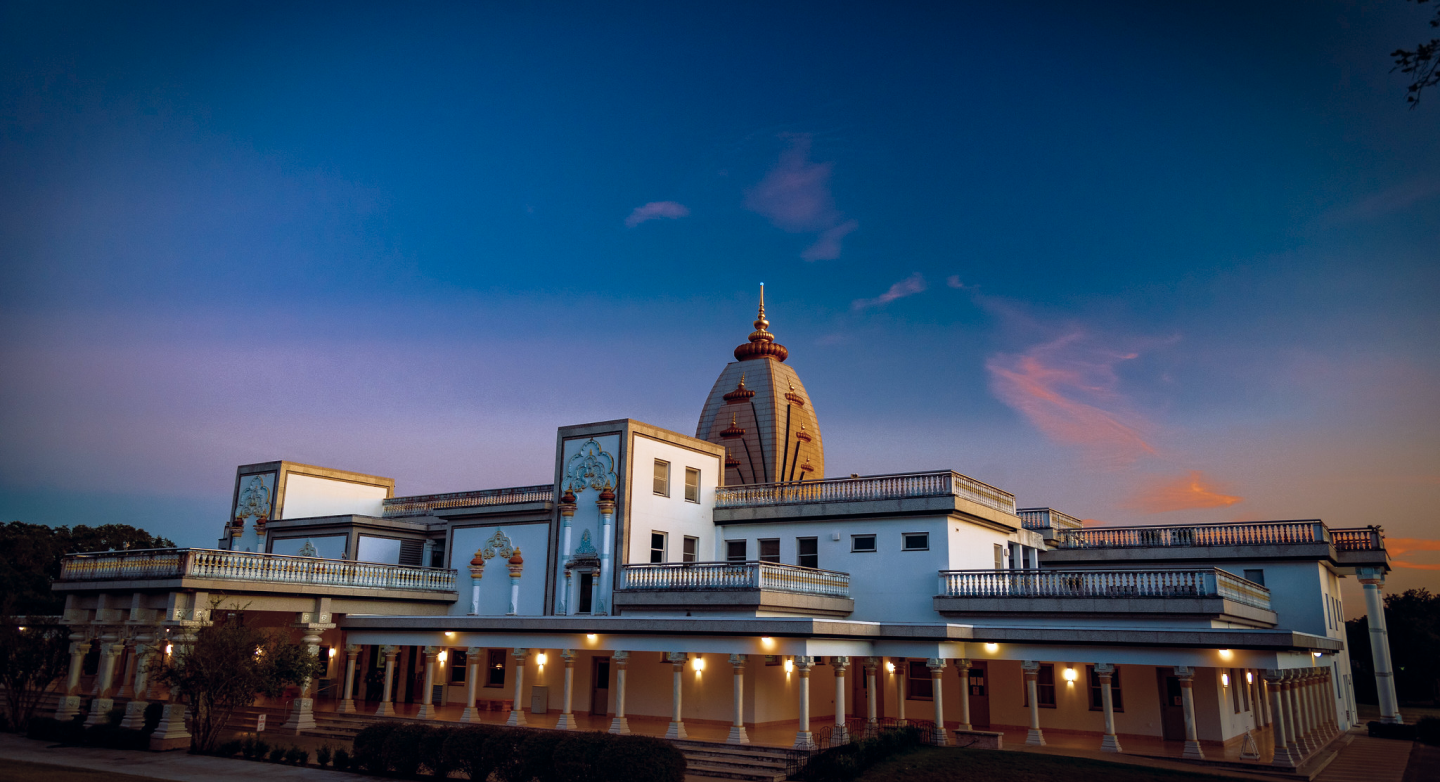
- The temple complex sprawls across a large campus and offers more than just worship: many devotees stay for spiritual retreats, creating a living ashram-like experience.
- Its calm, open surroundings, water features, and spacious design make it a unique blend of temple, retreat center, and community space – appealing to those seeking deeper connection and reflection.
- Radha Madhav Dham shows how Hindu temples in America can evolve beyond mere places of worship into multi-faceted spiritual and cultural hubs.
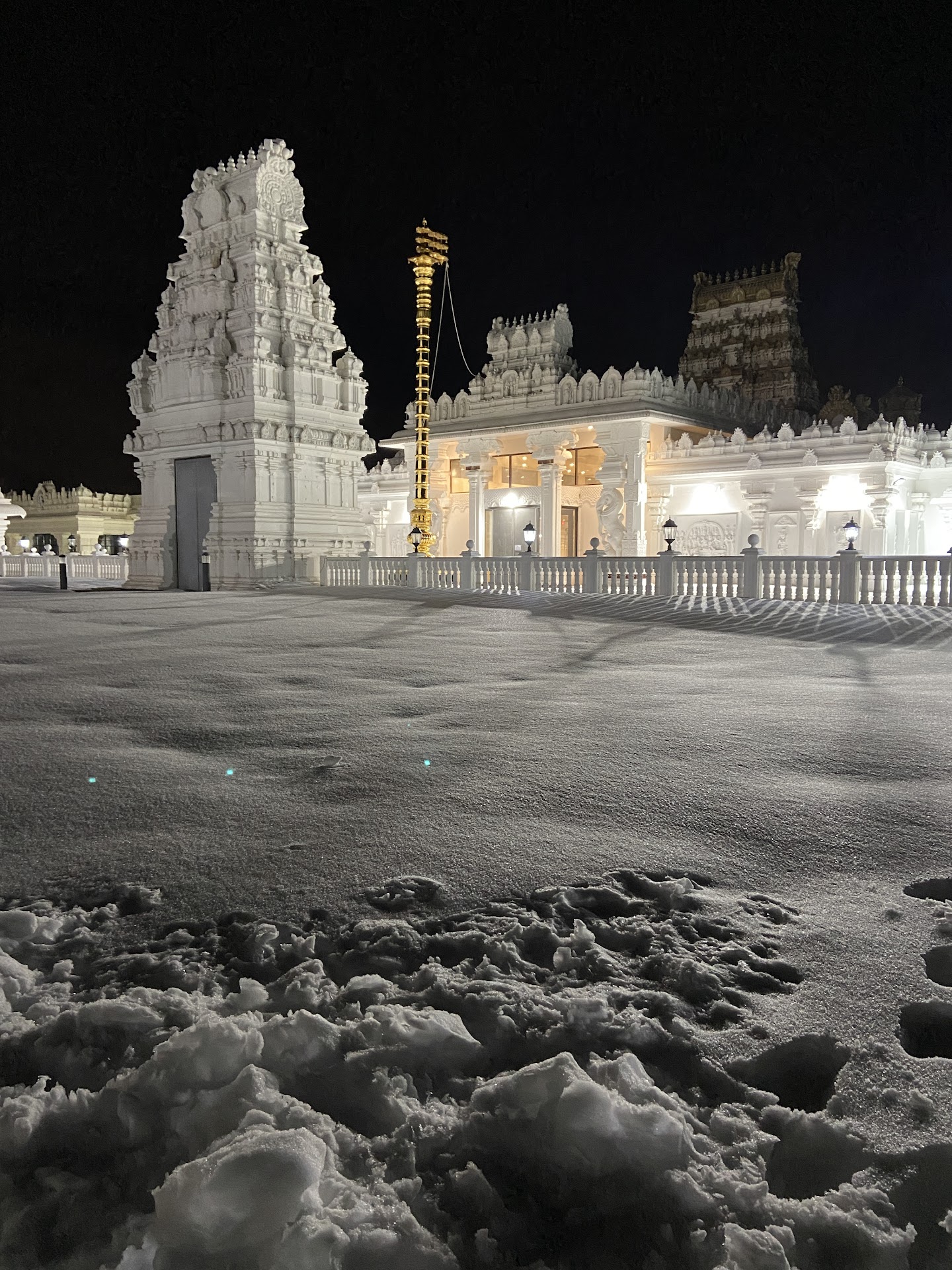
7. Sri Venkateswara Temple, Bridgewater, New Jersey


Why it stands out
- This temple has become a significant center for the Tamil/Hindu community in New Jersey and the greater Tri-State region.
- The architecture and rituals mirror those found in temples in India, helping first- and second-generation immigrants maintain cultural continuity.
- The temple often hosts festivals, gatherings, and community events – creating a strong sense of belonging and cultural identity away from home.
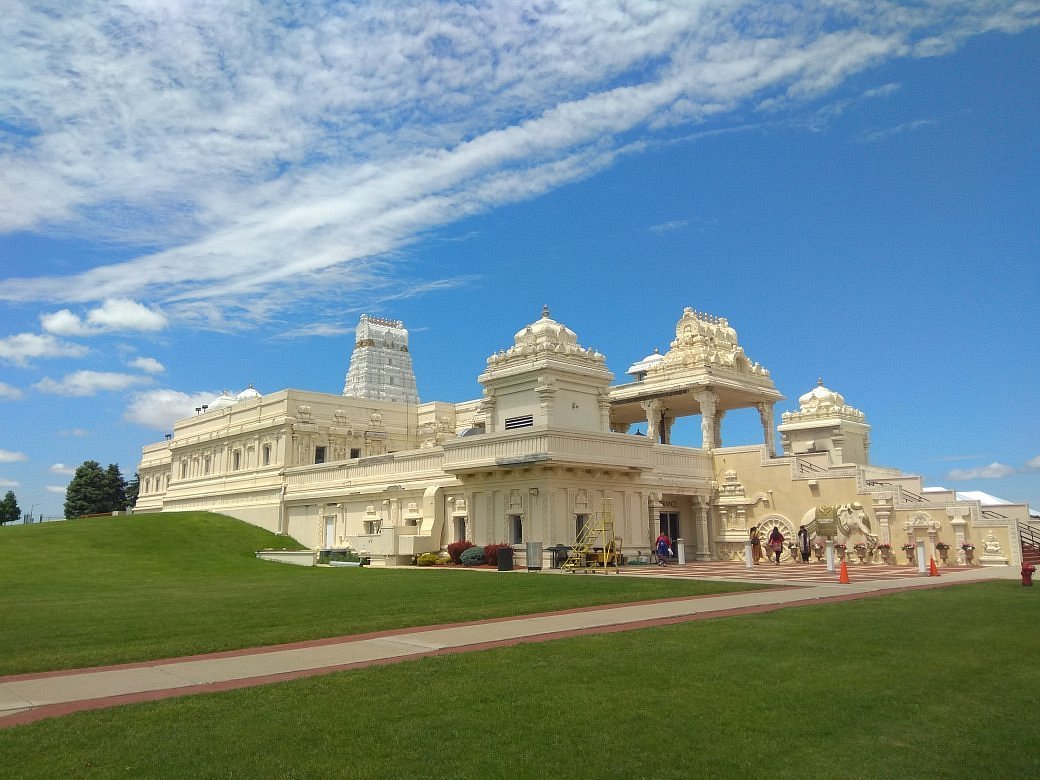
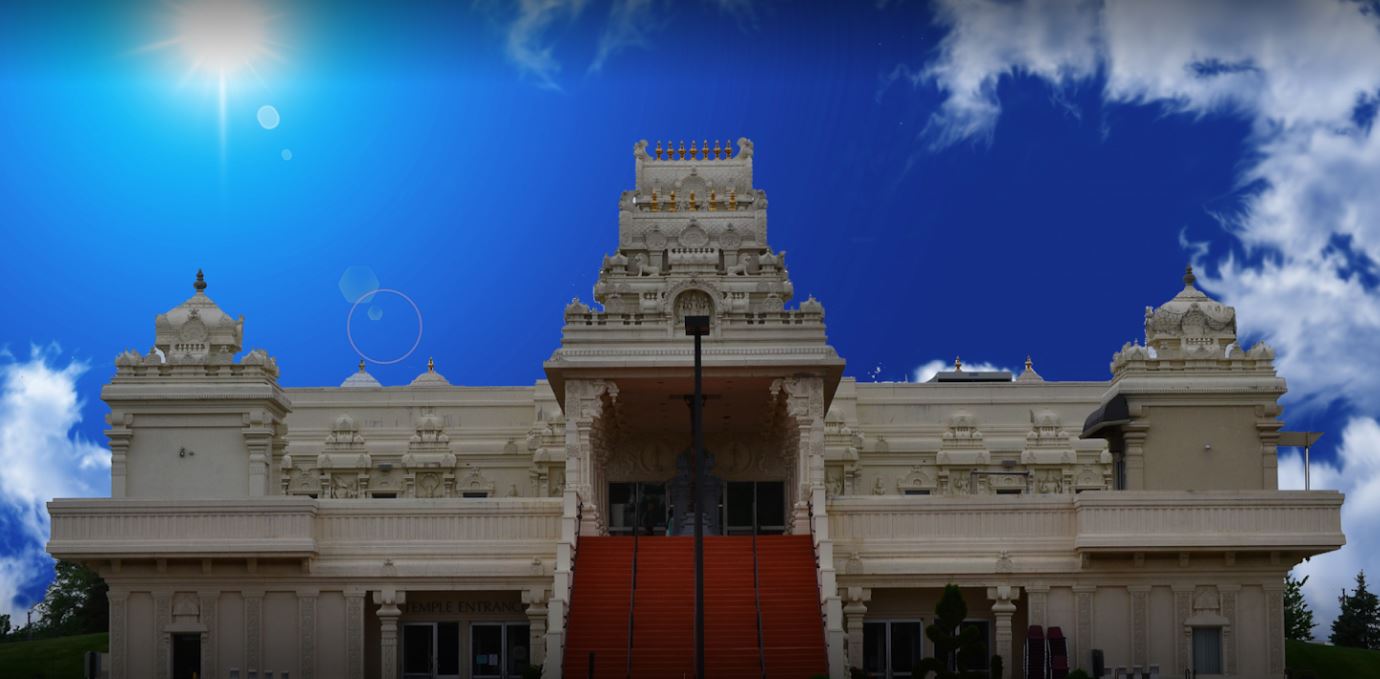
8. Sri Venkateswara Swami Temple (Balaji Temple), Aurora, Illinois
Why it stands out
- The temple is popularly known as “Balaji Temple” and caters to many Telugu-speaking and South-Indian Hindu families in the Chicago suburbs.
- With its distinct South-Indian temple architecture and regular festivals, the temple helps preserve linguistic, cultural, and religious traditions for immigrant communities.
- As with many diaspora temples, it serves not just as a place of worship but also as a social and cultural anchor for families raising children in America.
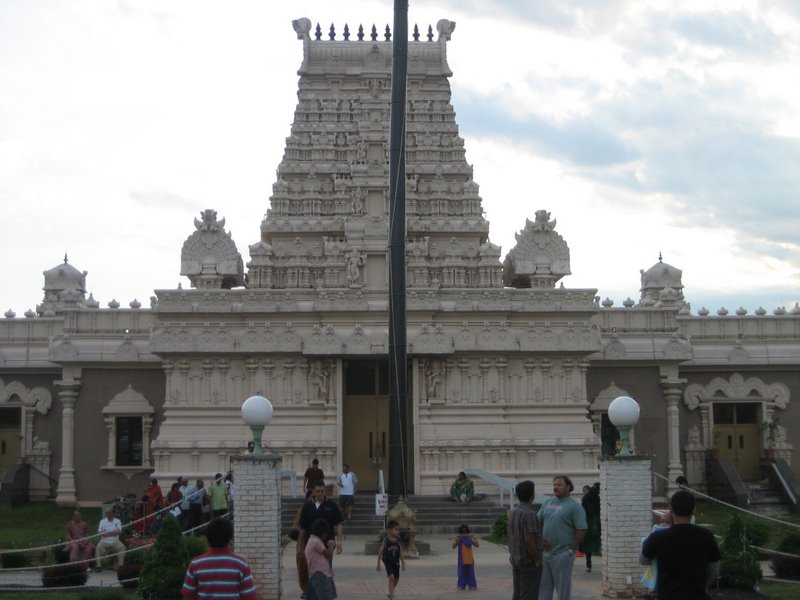
9. Sri Lakshmi Temple, Ashland, Massachusetts


Why it stands out
- This temple serves the Hindu community in Massachusetts, offering regular services, festivals, and cultural events to people spread across New England.
- It demonstrates how even in regions without a huge concentrated Indian-American population, Hindu temples become key community-building institutions.
- The temple is a bridge between generations – helping immigrants and their children maintain faith and traditions while living in a multicultural environment.
10. Shiva Vishnu Temple, Livermore, California
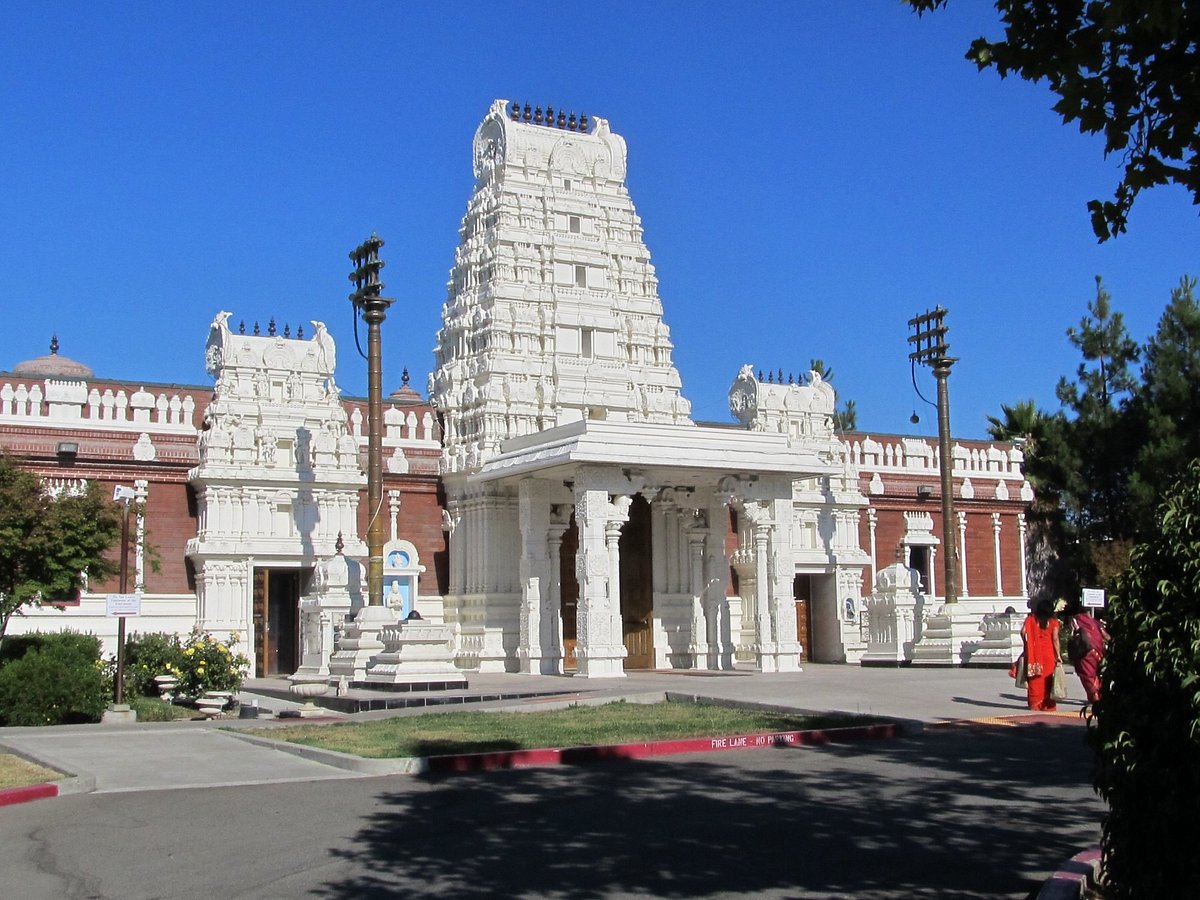


Why it stands out
- Located in the San Francisco Bay Area, this temple serves a broad and diverse Hindu community -Vaishnavas and Shaivites alike – under one roof.
- It offers a space for worship, community gathering, cultural education, and festivals, reflecting the pluralistic nature of Hinduism itself.
- The temple blends traditional Hindu religious practice with the lifestyle of a highly diverse and dynamic region, offering spiritual grounding for many immigrant families.
What We Can Learn from These Temples
- Cultural Continuity: These temples show how Hindu communities in the US preserve religious and cultural identity across generations without being in India.
- Architectural Richness on Foreign Soil: Many temples replicate architecture from India – like Dravidian gopurams or stone-carved mandirs – bringing centuries-old design traditions into American landscapes.
- Community & Belonging: Beyond worship, temples act as community centers, hosting festivals, cultural programs, youth classes, and social events.
- Spiritual Diversity: The range – from large majestic temples to small community mandirs – reflects the pluralistic and adaptive nature of Hinduism in diaspora.
Tips for Visitors & Pilgrim
Treat these visits as both spiritual journeys and cultural experiences – many temples welcome non-Hindus who wish to learn about the architecture and traditions.
Respect temple etiquette: many temples require modest dress and removal of shoes.
Check temple websites for opening hours, festival days, and visitor guidelines – especially for larger temples like Akshardham or BAPS Houston Mandir.
Visit during festivals (like Diwali, Navaratri) to experience community spirit, music, rituals, and cultural programs.